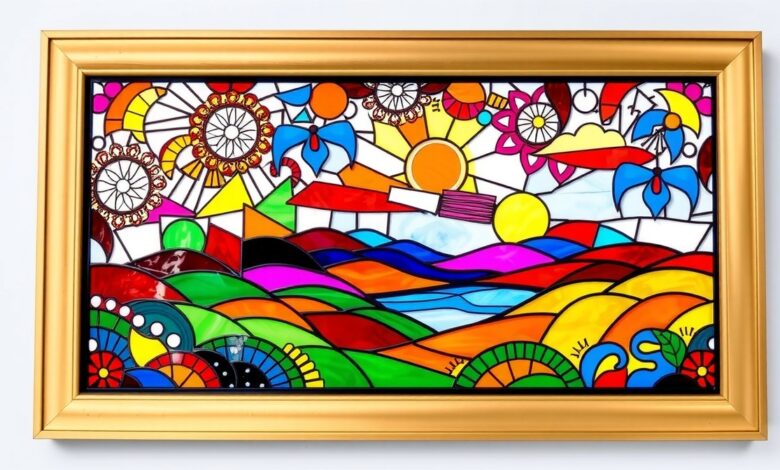
Stained Glass Art is one of the most beautiful and creative forms of artwork in the world. Stained glass art has been used for hundreds of years to make windows, lamps, and decorations that shine with color and light. When sunlight passes through these colorful glass pieces, it creates a magical glow that makes people stop and stare. This type of art combines color, design, and light to make something truly special. It’s not just about cutting glass—it’s about telling a story through colors and patterns. From churches to modern homes, stained glass art adds a special kind of charm that no other art form can match.
It’s amazing how small pieces of colored glass can come together to make big, beautiful pictures that can change how we feel and what we see. Many artists spend years learning how to design, cut, and shape glass perfectly, making each piece one of a kind. Every color, shape, and detail has meaning, and when sunlight hits it, the glass turns into a dance of light and shadow. People love stained glass art because it brings peace, joy, and beauty into spaces. Whether you see it in an old cathedral, a fancy hotel, or even in a small kitchen window, the glow of stained glass always feels magical.

It connects history, creativity, and emotion in one shining moment. Making stained glass art also teaches patience and focus because each piece takes time and care. Artists plan every step carefully—from choosing the glass color to soldering the pieces together. The result is a colorful picture that can tell a story or simply bring happiness to anyone who looks at it. Stained glass art isn’t just decoration—it’s a way of bringing art and light together in the most beautiful way possible.
History of Stained Glass Art: From Churches to Modern Homes
The history of stained glass art goes back more than a thousand years. It first became famous in Europe during the Middle Ages, especially in large cathedrals. Artists of that time used stained glass windows to teach people about religion through colorful pictures. Some of the most famous examples can be found in Notre Dame Cathedral in Paris and Chartres Cathedral in France. These windows were not only beautiful but also full of meaning. Each color, each design, and each piece of glass told a story.
Over time, stained glass art moved beyond churches. In the 19th and 20th centuries, artists began using it in homes, museums, and public buildings. The famous artist Louis Comfort Tiffany helped make stained glass popular in America with his unique style known as Tiffany glass. His lamps and windows became symbols of beauty and craftsmanship. Today, stained glass is used in both traditional and modern spaces. From colorful windows in old churches to simple geometric patterns in modern homes, stained glass continues to shine bright across centuries.
How Stained Glass Art Is Made
Making stained glass art takes patience, skill, and creativity. The process starts with a design. Artists draw a pattern or picture, deciding where each color and piece of glass will go. Then, they choose glass sheets in different shades and textures. Each piece is carefully cut to fit the design using a glass cutter. After cutting, the edges are smoothed and wrapped with copper foil or lead came.
Once all the pieces are ready, they are joined together using solder, which is a metal that melts and connects the pieces. After soldering, the glass is cleaned and polished to bring out its shine. Some artists also paint details on the glass using special paints that are baked in a kiln. The final piece is a beautiful mix of light, color, and imagination. Every step requires focus, and no two pieces are ever the same.
The Meaning of Colors in Stained Glass Art
Colors play a big role in stained glass art. Each color has its own meaning and emotion. For example, blue often represents peace and heaven, red shows love or passion, green means life and growth, and gold stands for light and glory. Artists use these colors to express feelings and stories.
In old churches, each window’s color choice was made carefully to send a message. Modern artists also use color in creative ways. Some mix bright, bold shades to make a strong impression, while others use soft, gentle tones to create calm and peace. The light passing through colored glass gives it a magical glow that can change how people feel when they see it.
Styles and Types of Stained Glass Art
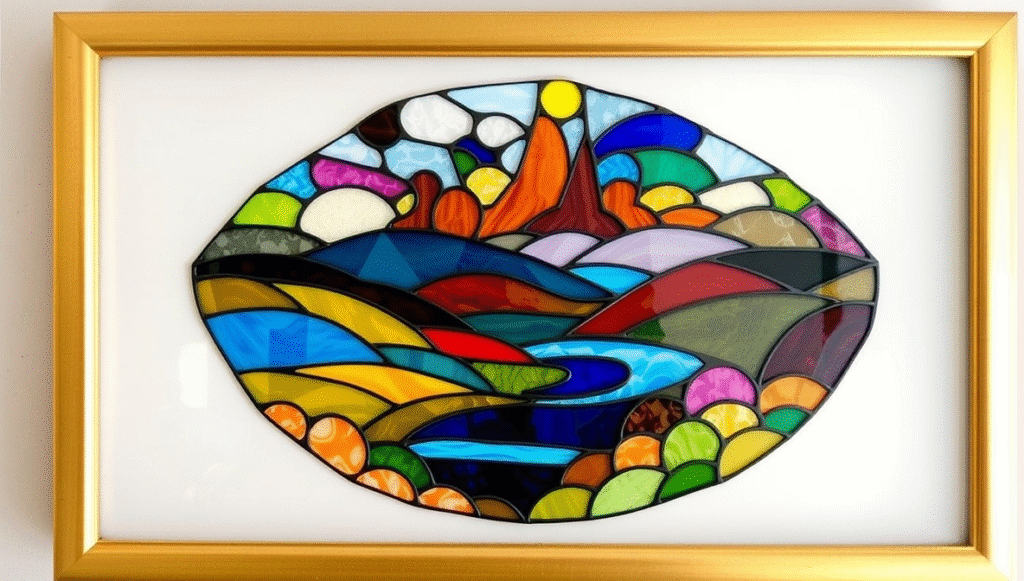
There are many styles of stained glass art, from classic to modern. Traditional stained glass often shows detailed pictures, like saints or nature scenes. Modern stained glass, however, can be abstract, using shapes and colors without telling a story.
Some popular types include:
Lead Came Glass: This is the traditional style where pieces of glass are joined using strips of lead.
Copper Foil Glass: Popularized by Tiffany, this technique uses copper foil instead of lead, allowing for smaller, more detailed pieces.
Painted Glass: Artists paint directly on the glass to add details or shading before firing it in a kiln.
Fused Glass: Pieces of glass are melted together in a furnace to create new patterns and effects.
Each style offers something unique, and artists choose based on the look they want to create.
Stained Glass Art in Modern Homes
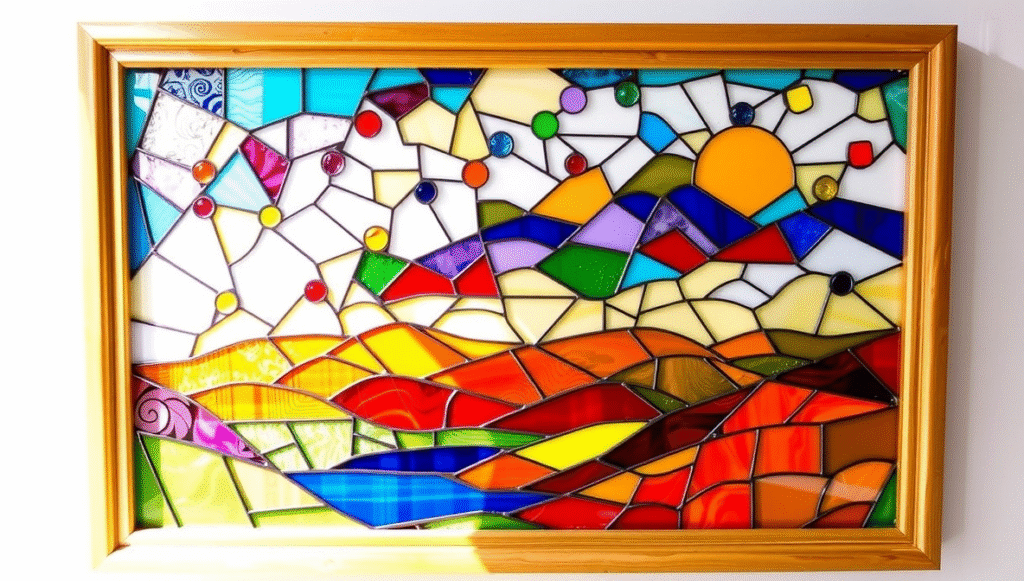
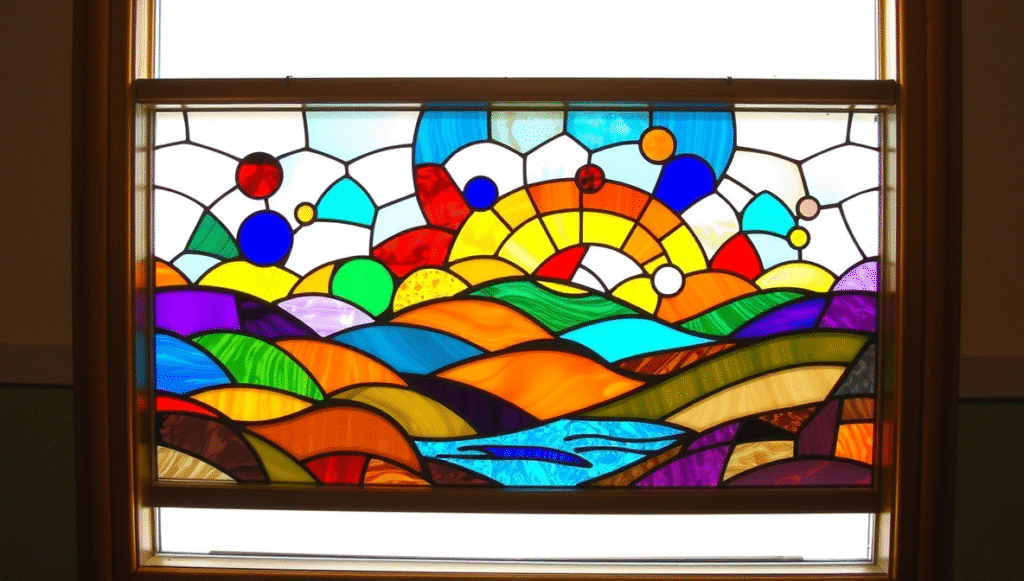
Today, stained glass art is not just for old buildings or churches. Many people use it in their homes to add color and style. You can find stained glass windows in bathrooms, kitchens, and doors. Some people hang stained glass panels in front of windows so they can enjoy the colors without changing the actual window.
Stained glass lamps, wall art, and mirrors are also very popular. They bring elegance and charm to any room. Even a small piece of stained glass can make a big difference by adding warmth and character to the space. Designers love using stained glass because it works well with both old-fashioned and modern interiors.
The Role of Light in Stained Glass Art
Light is the heart of stained glass art. Without light, the glass is just colored pieces. But when sunlight or any bright light shines through, the art comes alive. The glass glows, the colors dance, and the whole piece seems to move. That’s why artists often plan their designs based on where the light will come from.
Morning light might make a window look soft and calm, while afternoon light makes it bright and full of energy. At night, artificial light behind stained glass can create a cozy, peaceful glow. This play of light and color is what makes stained glass art so magical. It changes all day long, giving people a new experience each time they see it.
Tools and Materials Used in Stained Glass Art
To make stained glass art, artists need special tools and materials. The main material, of course, is colored glass. This comes in many shades, textures, and thicknesses. Artists use a glass cutter to shape the pieces, pliers to break them cleanly, and grinders to smooth the edges.
They also need copper foil or lead came to join the pieces together, solder and soldering iron to melt the metal, and flux to help the solder stick. Gloves and goggles are used for safety. Finally, cleaning materials and polish are used to make the glass shine once the piece is finished.
How to Start Making Your Own Stained Glass Art
If you want to try stained glass art, you don’t need to be an expert right away. Many beginners start with small, simple projects like sun catchers or small panels. You can buy beginner kits that include glass, tools, and patterns.
Start by learning how to cut glass safely and practice making clean shapes. Then, learn soldering techniques and how to fit pieces together. With time, you’ll improve and be able to make larger, more detailed pieces. It’s a fun and relaxing hobby that lets you be creative and make something beautiful with your hands.
Famous Artists in the World of Stained Glass Art
Over the years, many artists have made stained glass famous. Louis Comfort Tiffany is one of the most well-known names. His designs, especially his stained glass lamps, are still admired around the world. In Europe, artists like Marc Chagall brought modern ideas into stained glass by mixing abstract art with traditional glass techniques.
Contemporary artists today are experimenting with new materials, combining glass with metal or wood, and even using digital tools to plan their designs. Each artist adds something new to the story of stained glass art, keeping it alive and growing.
Why Stained Glass Art Is Still Popular Today
Even in the modern world, where people love simple and clean designs, stained glass art remains popular. That’s because it offers something that no other art can—light and color that change naturally. It connects people with nature through sunlight and with history through its traditional roots.
Stained glass art also brings calmness. Looking at the soft glow of colored light can make people feel peaceful. It’s used in homes, cafes, temples, and offices to create an atmosphere of warmth and creativity. With more artists creating new designs, stained glass is not just old-fashioned—it’s timeless.
Stained Glass Art in Public Places
Stained glass art isn’t limited to private spaces. Many cities around the world use it in public buildings, libraries, and transport stations. These colorful panels make public places more beautiful and welcoming. Airports, schools, and museums also use stained glass installations to add art and culture to their spaces.
These public artworks often tell stories about the community, history, or environment. They help connect people to the place they live in and give them a sense of pride and joy.
The Future of Stained Glass Art
The future of stained glass art looks bright. Modern technology allows artists to use new methods, like digital cutting tools, laser designs, and smart lighting, to create amazing effects. Some artists are mixing glass with other materials like acrylic or metal to make new forms of art.
Recycled glass is also becoming popular, helping the environment while keeping the beauty of stained glass alive. Artists are also working with architects to include stained glass in new building designs. So, even as styles change, stained glass art continues to grow and inspire.
Conclusion
Stained glass art is more than just decoration—it’s a form of storytelling, a play of light, and a celebration of color. From ancient cathedrals to modern homes, it brings joy, beauty, and peace wherever it’s seen. The art has evolved, but its magic remains the same. Whether you’re an artist, a collector, or someone who just loves beauty, stained glass art will always have something special to offer.
FAQs
What is stained glass art?
Stained glass art is a type of artwork made by joining pieces of colored glass to create pictures or patterns, usually seen in windows, lamps, or decorations.
How old is stained glass art?
Stained glass art is more than 1,000 years old. It became popular in Europe during the Middle Ages.
Can I make stained glass art at home?
Yes, you can! Beginners can start with small projects using glass kits and basic tools. It just takes practice and patience.